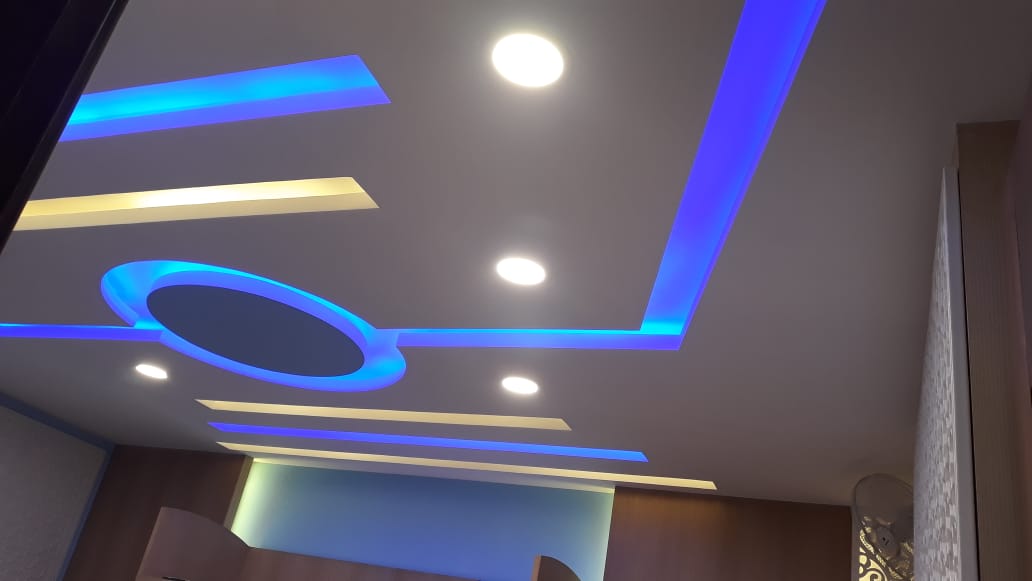
Exploring Different Types of False Ceilings (Drop Ceilings)
A false ceiling, also known as a drop ceiling or suspended ceiling, is a secondary ceiling installed below the main structural ceiling of a room. It offers several functional and aesthetic benefits, including improved acoustics, concealment of wiring and pipes, and the opportunity to enhance interior design with various materials and designs. Let's delve into the different types of false ceilings commonly used in modern architecture:
1. Gypsum Board False Ceiling
Gypsum board, also known as drywall or plasterboard, is a popular material for false ceilings due to its versatility and ease of installation. Gypsum boards are lightweight, fire-resistant, and available in various thicknesses. They can be easily cut and shaped to create intricate designs such as curves, arches, or geometric patterns. Gypsum board ceilings can be finished with paints, textures, or laminates to complement the room's decor.
2. Metal Ceiling
Metal ceilings are typically made from aluminum or steel panels and are known for their durability and modern aesthetic. They are available in various finishes such as polished, matte, or textured surfaces. Metal ceilings are resistant to moisture and fire, making them suitable for kitchens and commercial spaces. They can be installed in plain panels or perforated to enhance acoustics by absorbing sound.
3. Wooden Ceiling
Wooden ceilings add warmth and natural beauty to interiors, making them a popular choice for residential spaces. They can be constructed using solid wood panels, plywood sheets, or engineered wood boards like MDF (Medium-Density Fiberboard). Wooden ceilings can be left in their natural finish for a rustic look or stained and varnished for a more polished appearance. They are suitable for creating a cozy atmosphere in living rooms, bedrooms, or dining areas.
4. PVC Ceiling
PVC (Polyvinyl Chloride) ceilings are lightweight, easy to install, and low maintenance. They are available in various colors, patterns, and designs, including glossy or matte finishes. PVC ceilings are moisture-resistant, making them ideal for bathrooms, kitchens, or areas with high humidity levels. They can be installed as panels or tiles, providing a clean and modern appearance.
5. Fiber Optic Ceiling
Fiber optic ceilings create a stunning visual effect by incorporating tiny fiber optic strands that emit light. They can mimic starry skies or create patterns and designs with varying colors and intensities of light. Fiber optic ceilings are often used in theaters, lounges, or bedrooms to create a relaxing and immersive atmosphere. They require specialized installation and lighting equipment to achieve desired effects.
6. Glass Ceiling
Glass ceilings add a touch of sophistication and modernity to interiors by creating a seamless and reflective surface. They can be installed as transparent or translucent panels, allowing natural light to penetrate while maintaining a sense of openness. Glass ceilings are suitable for contemporary designs and can be paired with LED lighting to create dramatic effects. They are often used in commercial spaces, atriums, or modern residential interiors.
7. Fabric Ceiling
Fabric ceilings offer versatility in terms of design and texture. They are constructed using lightweight fabric stretched over a frame to create a soft, diffused lighting effect. Fabric ceilings can be customized with various colors, patterns, and acoustic properties to enhance the ambiance of a room. They are commonly used in theaters, auditoriums, or homes seeking a cozy and sound-absorbing ceiling solution.
Conclusion
Choosing the right type of false ceiling depends on factors such as the desired aesthetic, functionality, budget, and specific requirements of the space. Whether you prefer the versatility of gypsum board, the warmth of wood, or the modernity of metal or glass, false ceilings offer endless possibilities to enhance interior design and create a comfortable and visually appealing environment. By understanding the characteristics and benefits of each type of false ceiling, you can make an informed decision that complements your overall interior design goals.